|
|
| If you cannot read this newsletter, click here to view this email in your browser |
 |
|
|
 |
| April 2026 |
|
 |
Dear ,
In this April edition of our newsletter, we’re pleased to share a range of exciting projects, visits and study tours relating to agriculture and horticulture. Our activities cover a wide geographical area, stretching from Eastern Europe to West Africa and from the Middle East to India. Although our customers and partners come from diverse cultures and backgrounds, they all share a common goal: strengthening food security and promoting professionalism in agriculture and horticulture.
The knowledge, experience and innovation of Dutch farmers and growers is renowned across the globe. At HollandDoor we are committed to sharing this expertise with you through training, matchmaking and study tours. Our focus is on improving food security by increasing both plant and animal production in a sustainable way.
We hope you enjoy reading this newsletter, and we look forward to welcoming you at one of our training sessions, visits or study tours.
Ad, Cedric, Engelie, Geerten, Jan Willem, Jos, Lisanne, Marian, Niek, René.
|
|
Challenges in innovating the Palestinian olive value chain
|
|
|
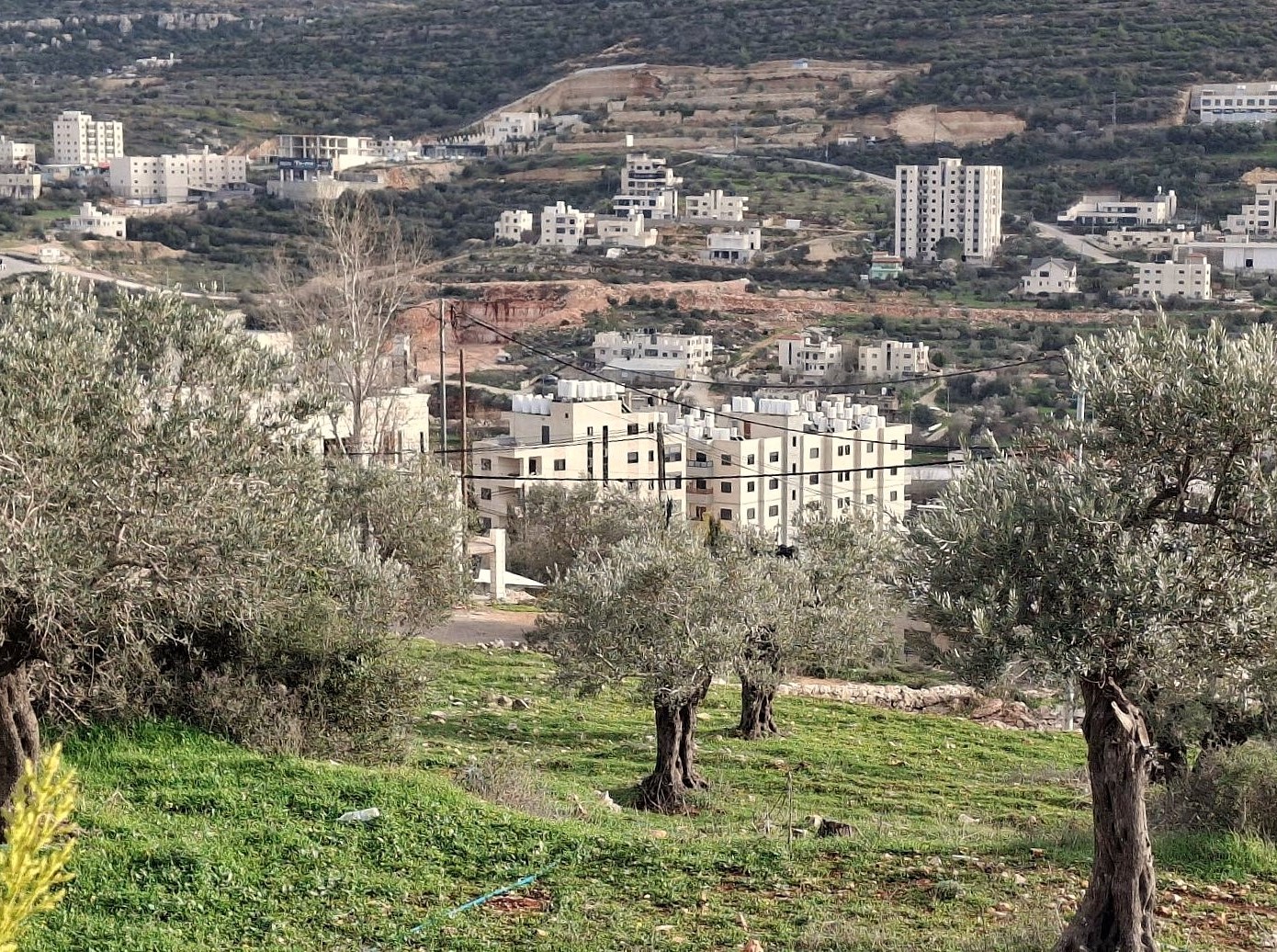
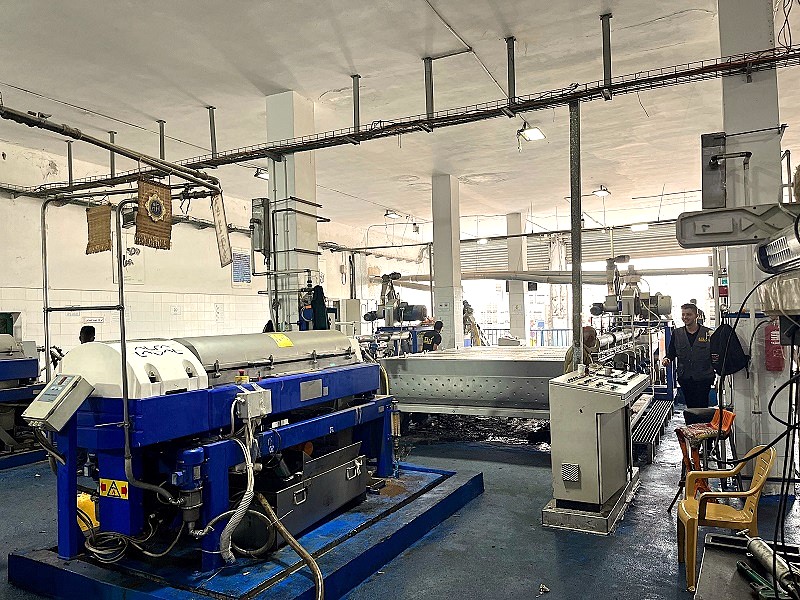
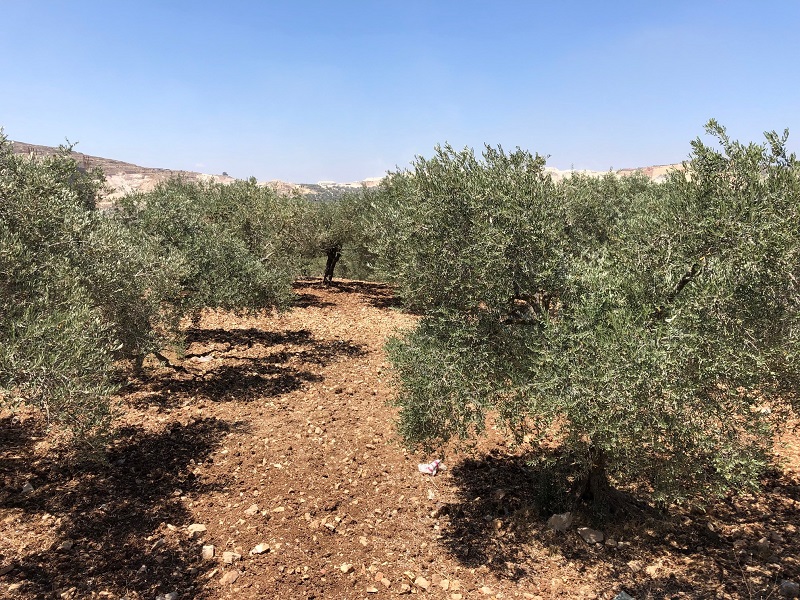
Since 2020 HollandDoor has been leading a multiyear project in the olive oil sector in the northern governorates of the Palestinian Territories. Together with implementation partners Mount of Green Olives ( MGO), Wageningen Social & Economic Research and the Palestine Standards Institution ( PSI), HollandDoor aims to help all stakeholders in the Palestinian olive oil sector achieve greater profitability and adopt more sustainable practices.
Despite the sometimes hopeless circumstances for businesses and individuals in Palestine, the Palestinian project beneficiaries greatly appreciate this intervention. This goes beyond receiving new knowledge, insights or resources such as harvesting tools, transport crates, storage tanks or even a new factory. The Palestinian stakeholders in the value chain know that they are seen and heard. For that reason alone, HollandDoor is grateful to be part of this programme.
|
|
Export market study for Togo completed
|
|
|
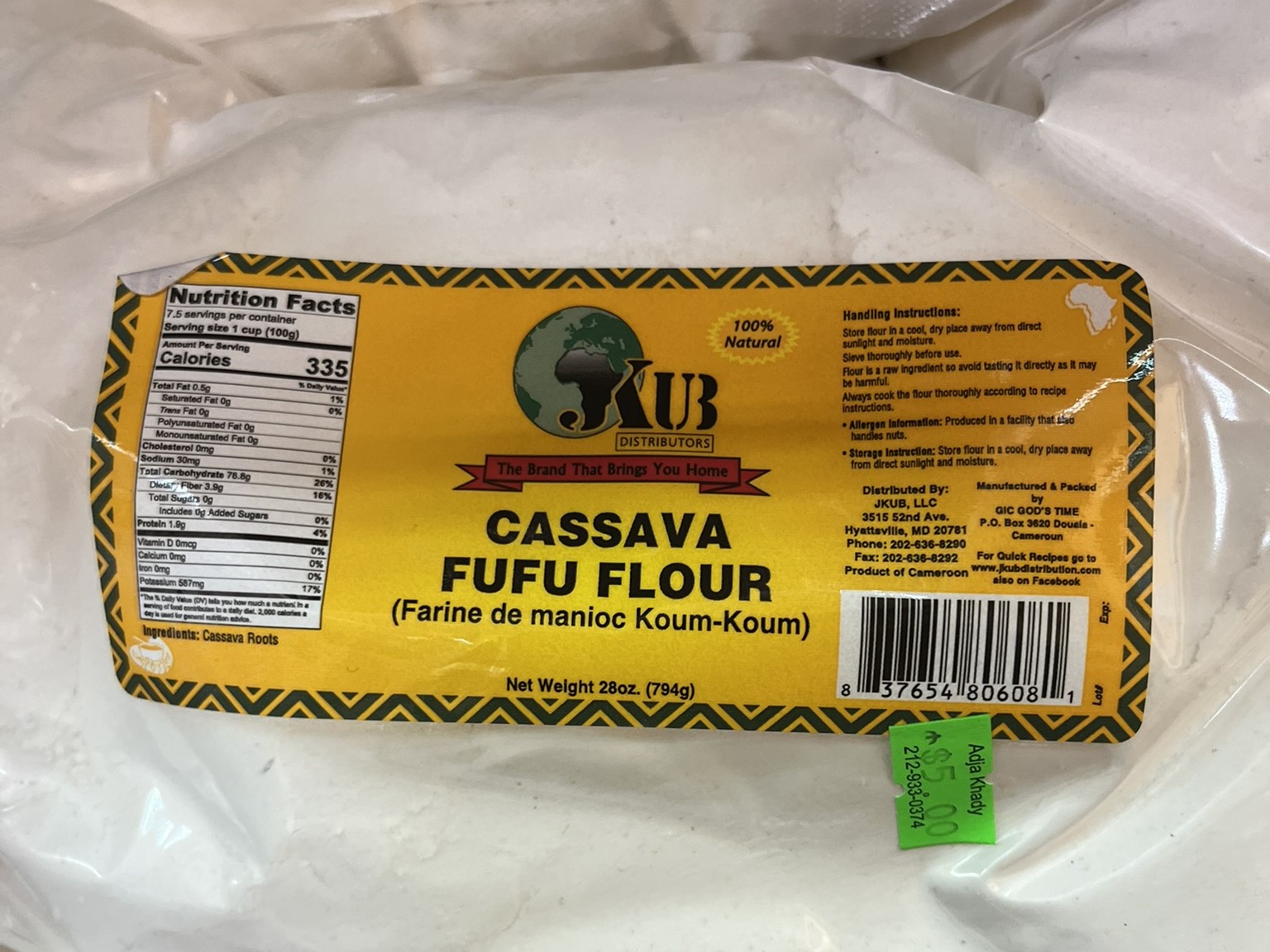
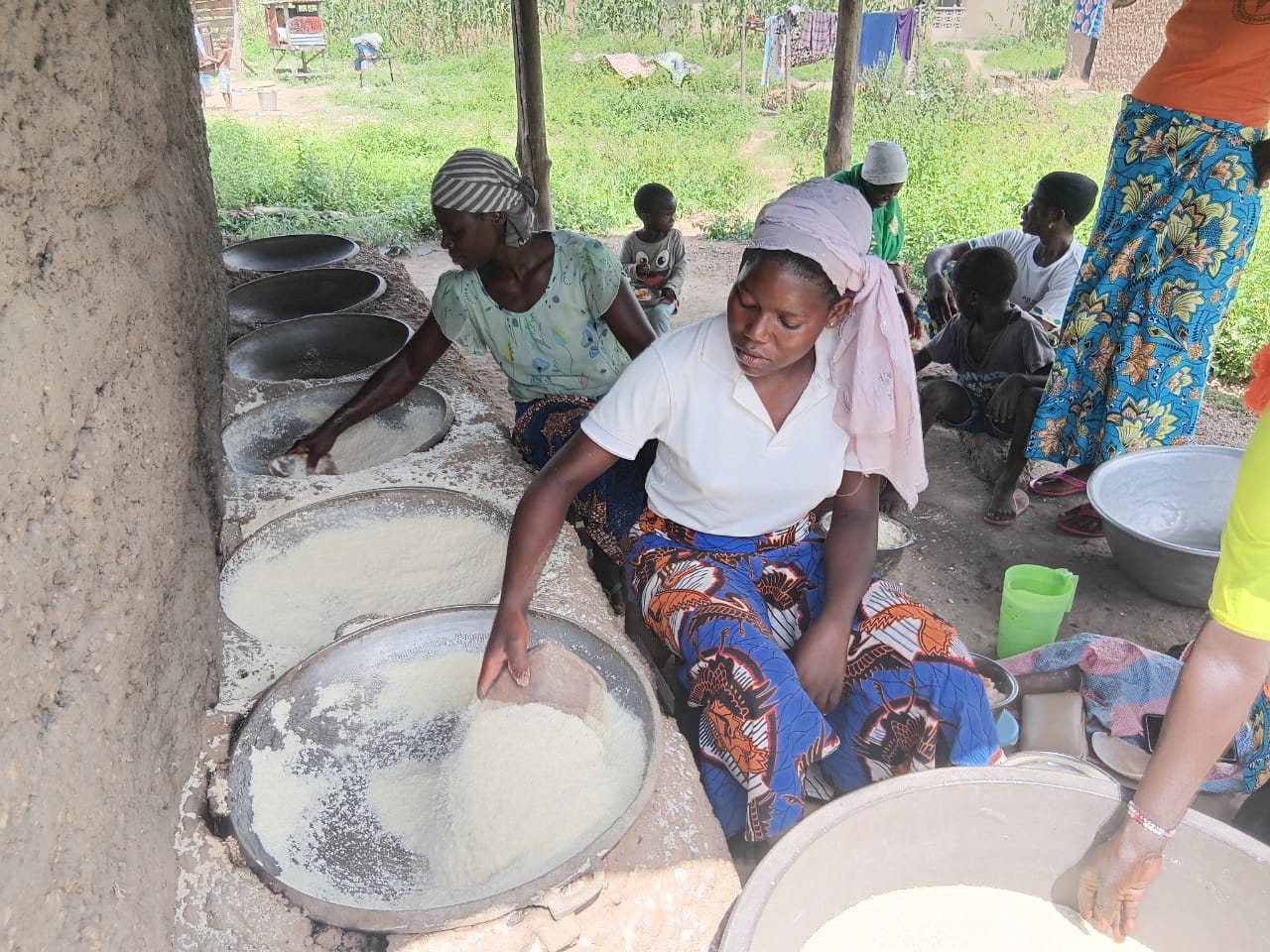
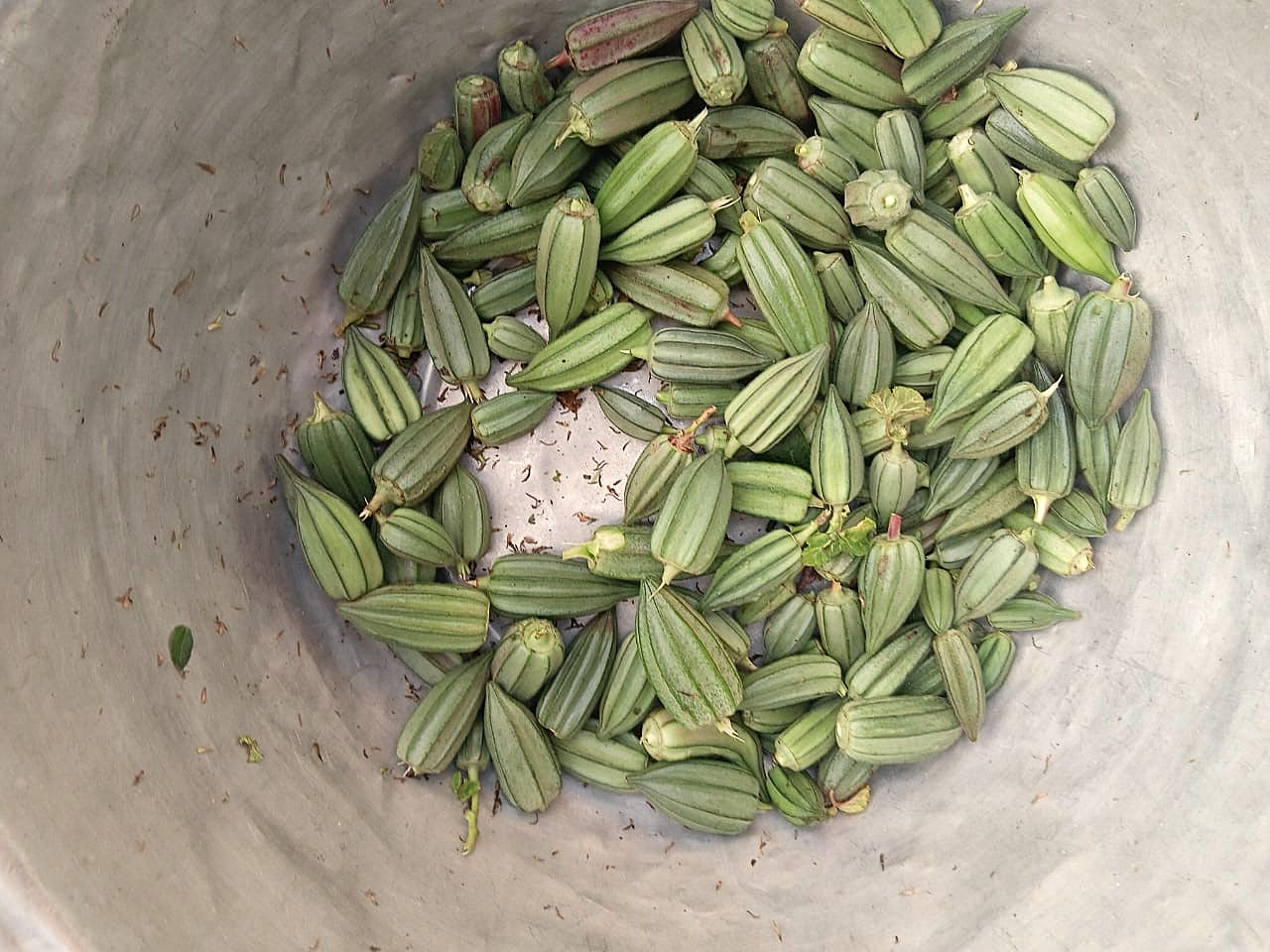
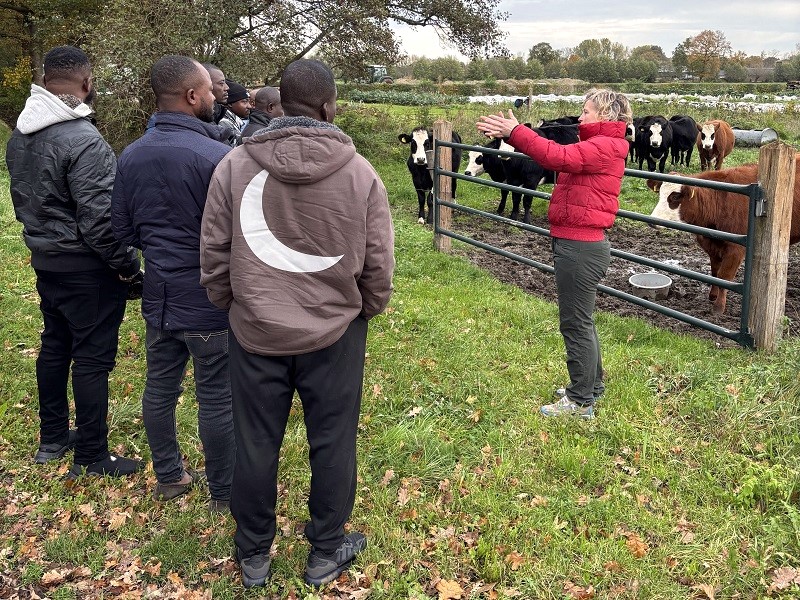
HollandDoor, in partnership with Globally Cool, has completed the Export Market Study for Togo, commissioned by Lutheran World Relief ( LWR) as part of the USDA-funded PROFIT programme. The study delivers a clear message: exporting is possible, but the pathway differs by product.
For processed cassava products, opportunities are immediate. The main barriers are not product quality, but practical aspects such as labelling, packaging, hygiene documentation and supply consistency, all of which are within reach for local actors. For fresh chili peppers and okra, the potential is more gradual. While demand is strong, market access is constrained by various requirements. Overcoming these challenges will require step-by-step upgrades across the value chain.
The conclusion is encouraging: Togo’s cassava, chili and okra sectors are already connected to markets. With targeted, system-wide improvements, they can move from informal trade to structured, profitable exports.
|
|
Romanian cooperatives learn from European colleagues
|
|
|
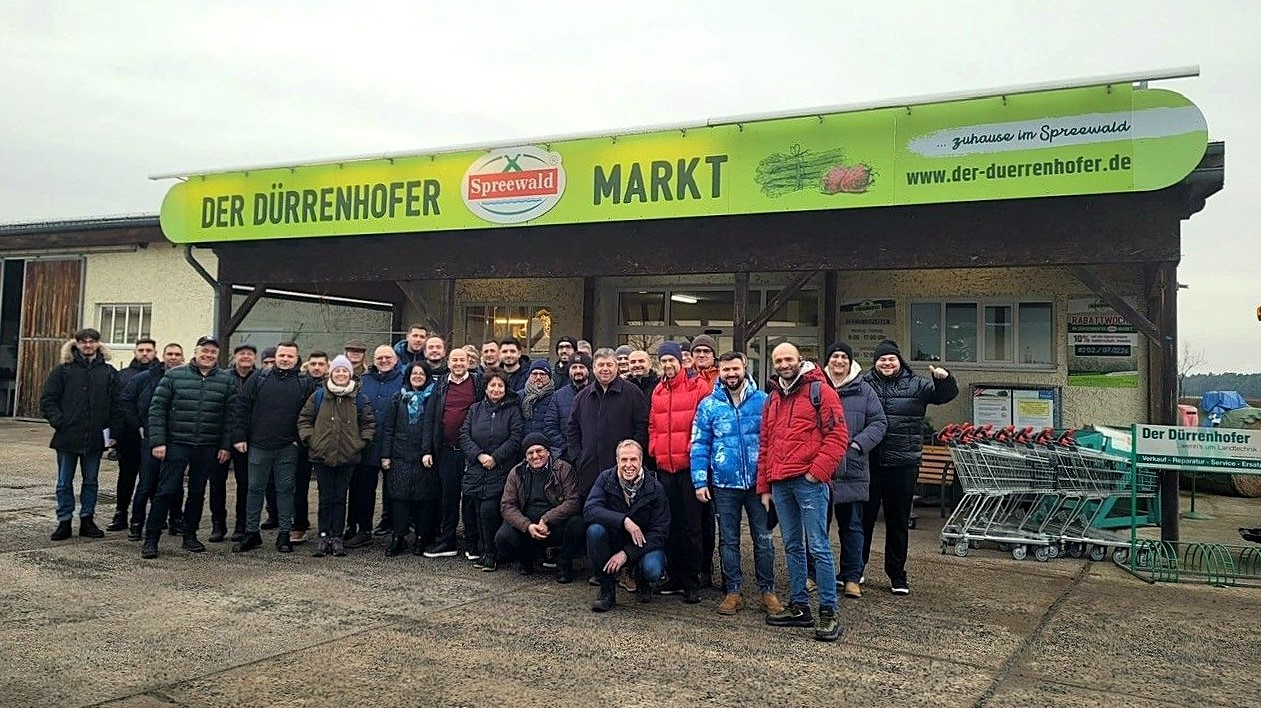
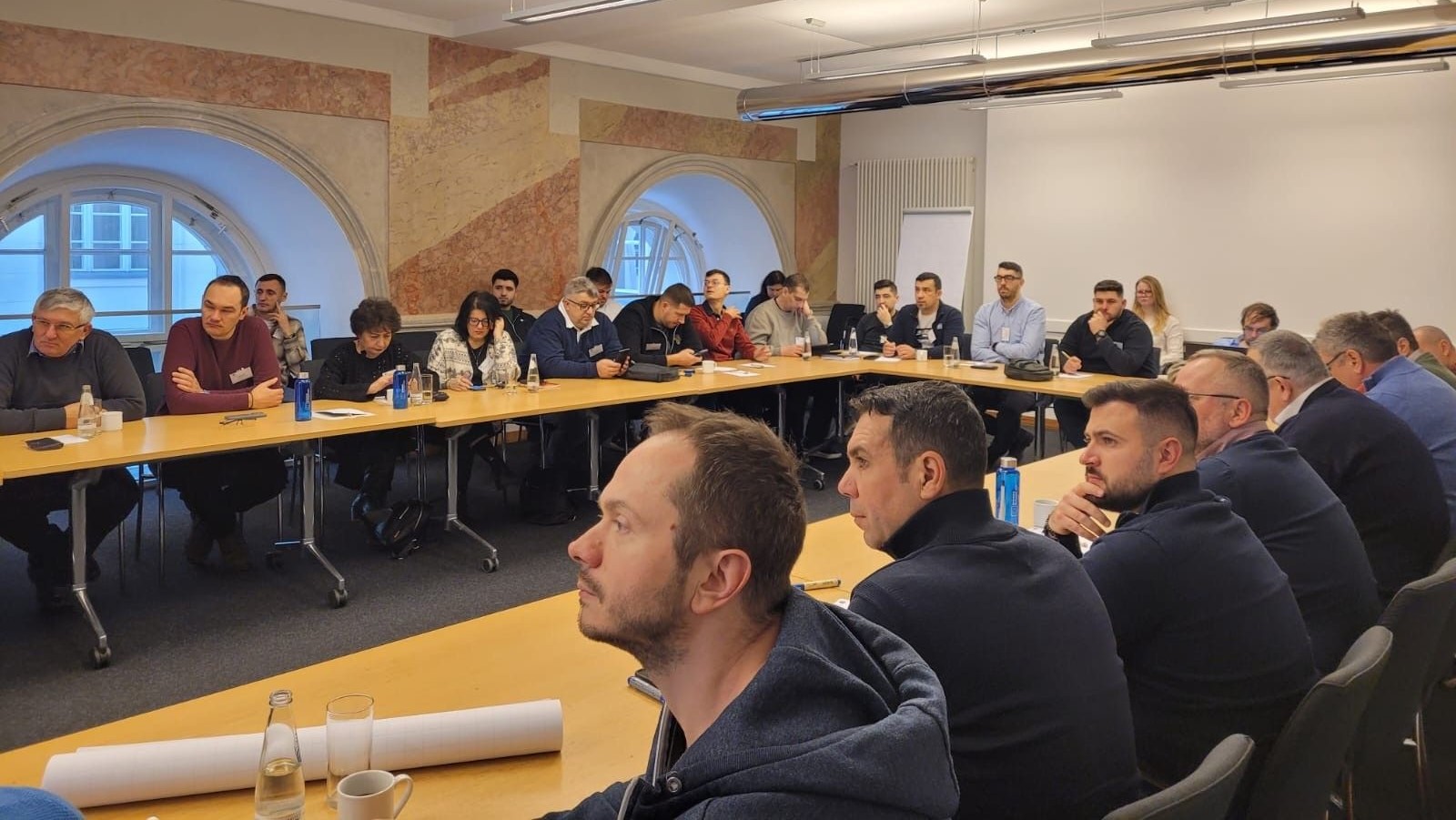
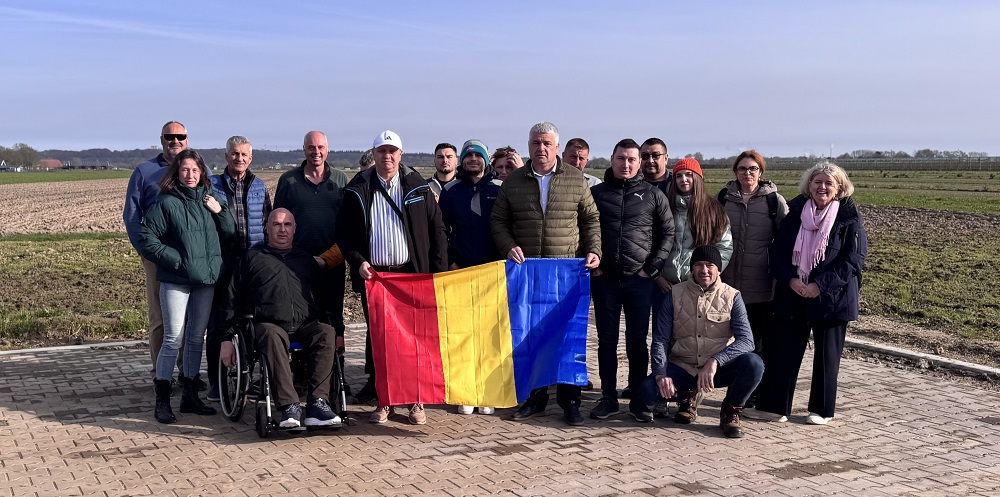
After visiting Denmark and the Netherlands in 2025, 20 cooperatives affiliated with the Romanian National Branch Union of Cooperatives in the Vegetable Sector ( UNCSV) travelled to Germany in February 2026. HollandDoor was part of the organizing team, tasked with inspiring the cooperatives in areas such as cooperative governance, marketing and product branding.
The visit was part of a multi-year project funded by the European Union’s Erasmus+ programme. HollandDoor’s project partner BICS Berlin Institute for Co-Operative Studies – part of Humboldt-Universität zu Berlin – put together a diverse programme featuring presentations, workshops and insights into the history and current challenges facing German cooperatives, with a focus on collective purchasing and product marketing in the crop sector. The programme also included site visits to both well-established and newly founded cooperatives in the state of Brandenburg.
|
|
Maharashtra greenhouse experts reunite for Indian study tour
|
|
 |
 |
|
|
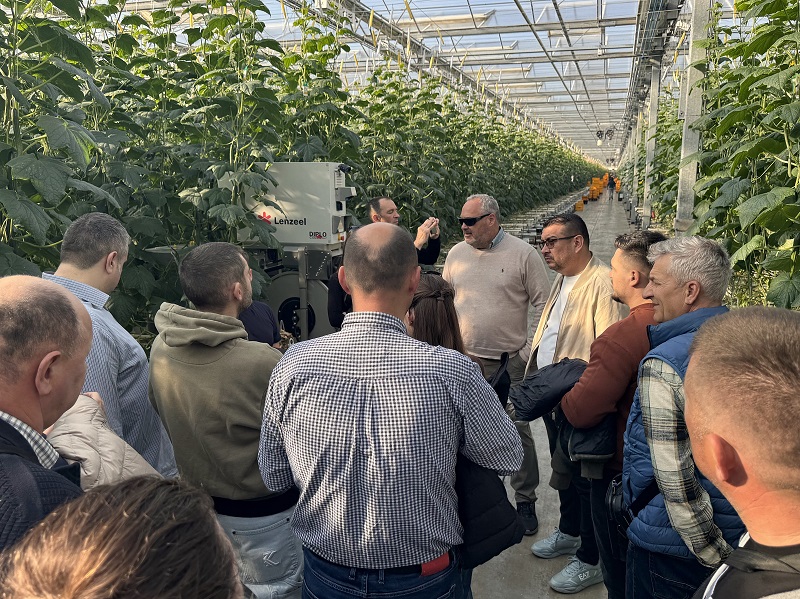
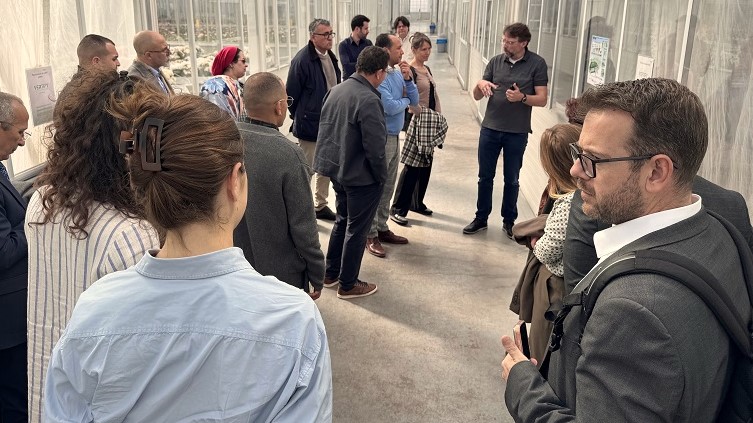
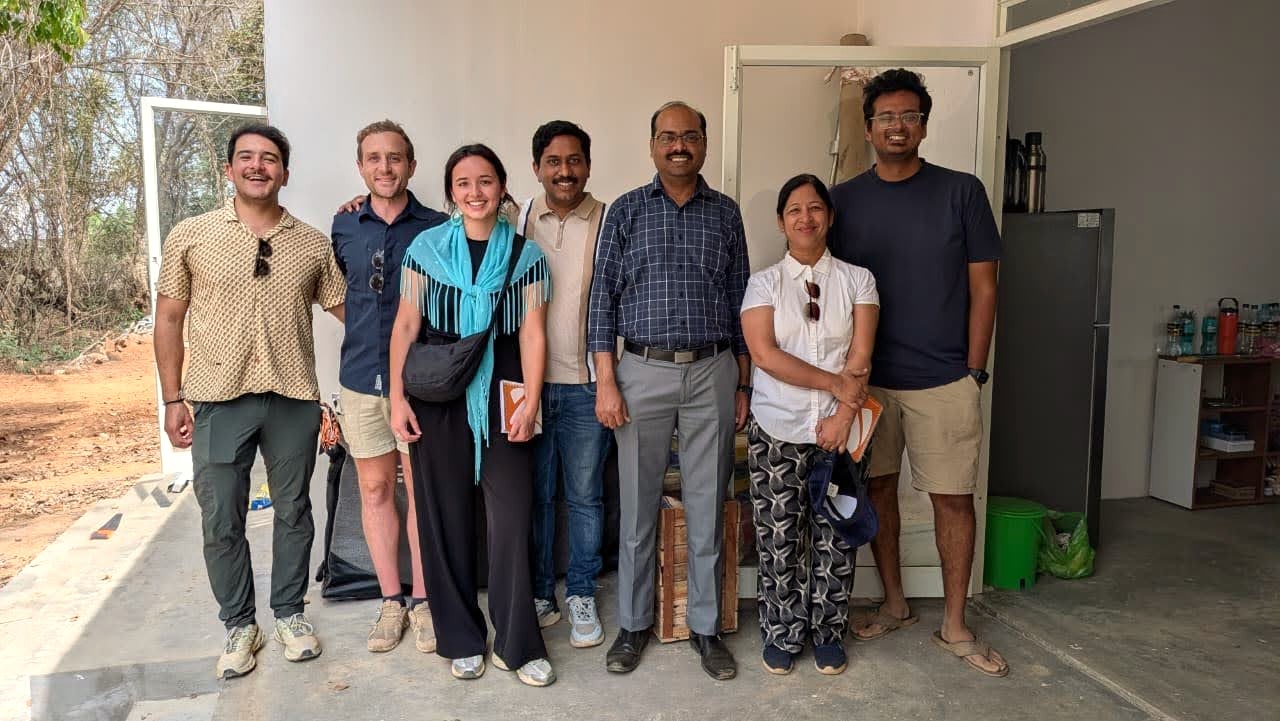
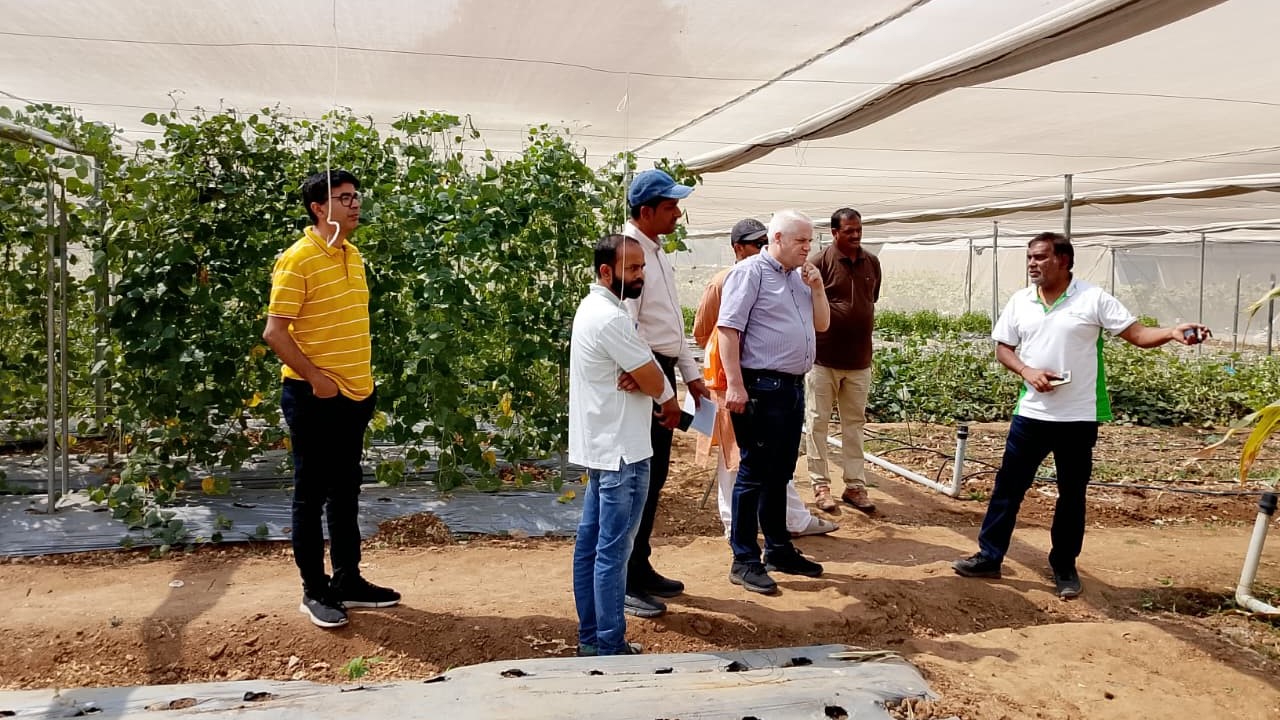
Since 2018, HollandDoor, the Centre of Excellence for Vegetables (CoE) in Baramati and various Dutch knowledge partners have worked together to provide extensive training for a diverse group of participants in greenhouse hydroponic production and horticultural value chain management. Identifying themselves as the “Maharashtra Greenhouse Experts (MGE), powered by CoE Baramati”, this group represents a diverse range of Indian companies and organisations, including seed companies, suppliers and knowledge centres. To keep the MGE active and engaged, the group reunited in February for a study tour to various leading greenhouse horticulture areas in India.
The study tour started in Pune, Maharashtra, on the Monday and concluded with a joint meeting on the Thursday. On the Tuesday and Wednesday, four individual groups travelled to various destinations in Jaipur, Bangalore, West-Maharashtra and Hyderabad. When the groups reconvened in Pune, they shared their findings from the visits. The tour provided the MGE members with the latest in-depth insights into the key success factors and challenges facing Indian greenhouse horticulture and opportunities for further collaboration between India and the Netherlands.
|
|
Romanian cooperatives inspired by the Dutch cooperative
model
|
|
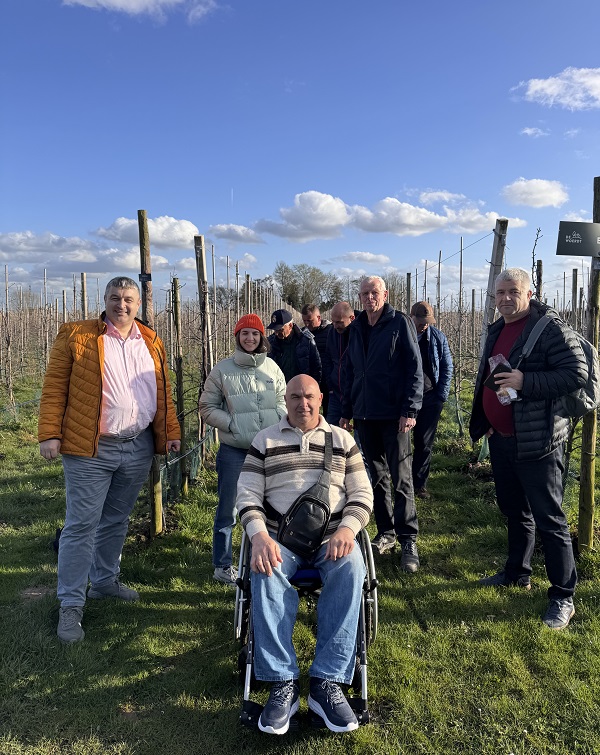
Members of Hort Integra from Romania took part in a study tour to the Netherlands through the Erasmus+ programme, organized in partnership with HollandDoor.
The visit aimed to help participating horticultural cooperatives improve their organization and strengthen their market position. During the trip, we visited several Dutch cooperatives, growers and trading companies and attended guest lectures on cooperative management, marketing and branding. The aim was to better understand how collaboration, innovation, professional management and responding to market demands contribute to a strong agricultural sector.
Participants emphasized the importance of actively engaging with the Romanian government to lobby for improvements in the regulatory framework, ensuring that policies and legislation better support the development and competitiveness of agricultural cooperatives in Romania.
Based on this experience, the Romanian participants have identified concrete next steps at the organizational level, both in service provision and collaboration with market stakeholders.
|
|
Building bridges: a Moroccan-Dutch study visit on education
|
|
|
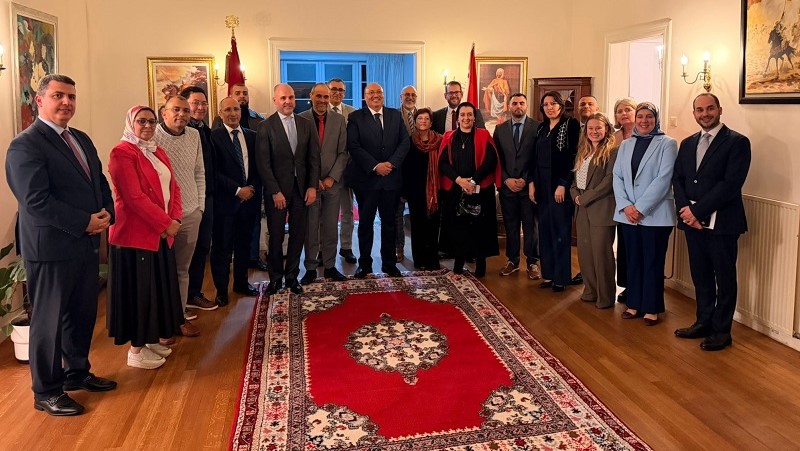
From 30 March to 3 April 2026, a delegation from Moroccan universities and two ministries took part in a Shiraka study visit to the Netherlands. The mission aimed to strengthen cooperation between Morocco and the Netherlands in Higher Education and Technical and Vocational Education and Training (TVET), with a strong focus on innovation, employability and public-private partnerships.
The study visit provided practical insights into work-based learning, curriculum development in collaboration with industry, joint research programmes, and the creation of knowledge ecosystems in which students, researchers, companies and public institutions work together to drive to innovation and economic development and to improved employment opportunities for young people.
This mission marked an important step in identifying potential areas for future cooperation in education between the Netherlands and Morocco, particularly in the field of Smart Water Agriculture.
|
|
|