 bringing nature, gardeners & native plants together August 28, 2026
|
|
NURSERY NOTES: On the morning of Sept. 5, visit the Festival Beach Food Forest for a Plant Walk. "Connect with the earth, find relief and relaxation from the mechanical world and be taken in by the diverse kaleidoscope of our natural and social systems." 9 - 11 a.m. Free. FBFF 🌿
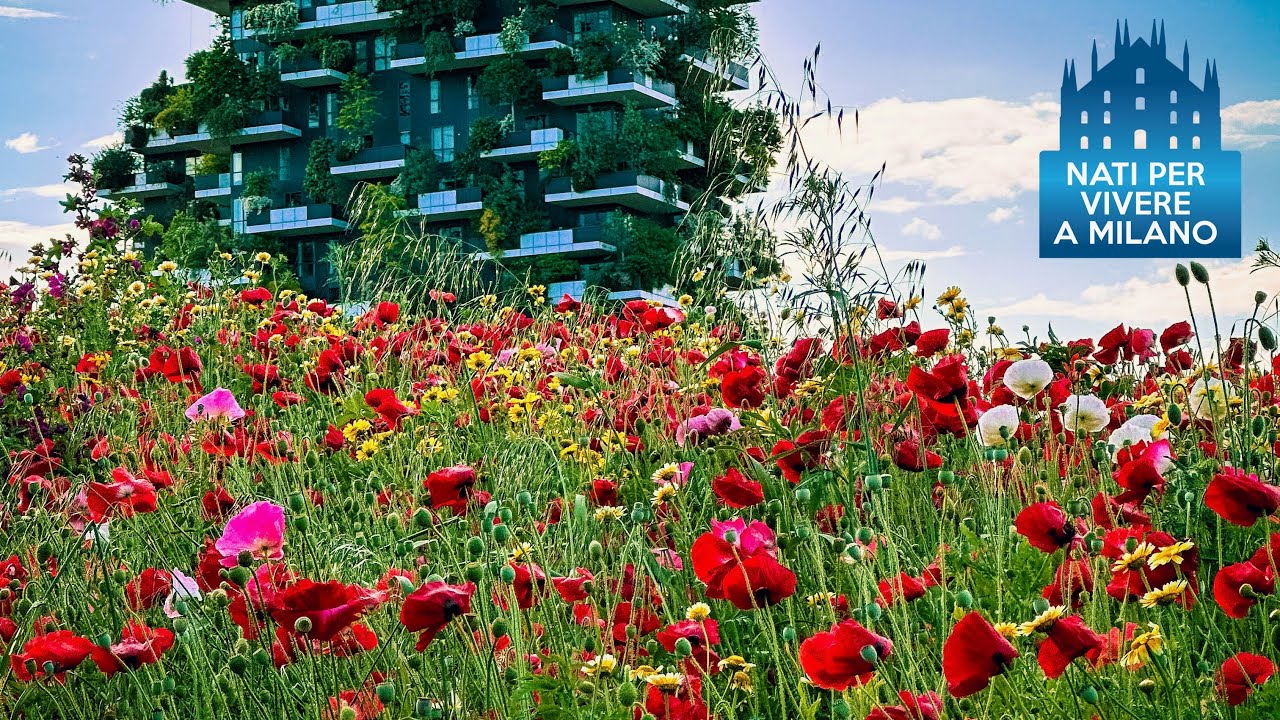
LIBRARY OF TREES: Imagine a botanical garden with 22 circular forests with over 135,000 plants - mostly trees. Biblioteca degli Alberi in Milan, Italy was designed by the Dutch studio Inside Out, and has become a big draw for residents and eco-tourists from all over the world. Landscape First ❦
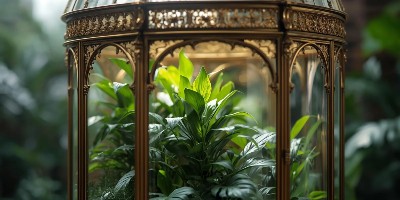
WARDIAN CASES: these historic mini-greenhouses were invented by Victorians in the mid-1800s to transport rare plant specimens. Now they are coming back into vogue as plant display cases inside homes. Gardenista ❦
 (Illustration by Linda Anderson)
THE ANCESTRAL CHILE PEQUIN: Lovers of peppers everywhere, meet the ancestor of nearly all of them: the humble Chile Pequín, native to Tabasco, Mexico, and growing wild in neighboring regions such as Texas (writes Andy Balinsky).
Thanks to generations of indigenous knowledge and cultivation, there are sweet, spicy, big, and small varieties of Capsicum annuum. So, if you love any kind of cuisine that involves spicy or sweet peppers, thank the indigenous peoples of this continent. ❦
THE AUSTIN GARDEN relies on readers for support. Whether annual or monthly, all donations are welcome. At present 7 % of readers fund this newsletter. Many thanks in advance. PayPal link ❦
  Our Awesome Tree Canopy
by Chris Winslow
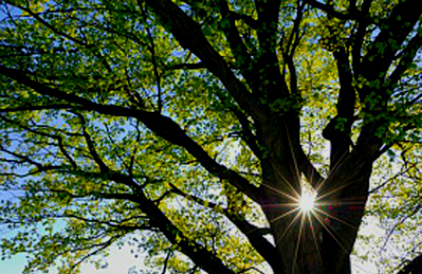
First time visitors to the Austin and Hays County area are often astonished by the number of trees that we have in our gardens and parks. National Geographic magazine noticed recently, and ranked Austin as a city with the second highest urban tree canopy in the nation, with 37% coverage.
Tending to, and increasing our canopy year after year, are noble groups like TreeFolks who — with help from the community — has planted more than 3 million trees.
Maybe we take them for granted, but the presence of these glorious oaks, elms, mesquites and pecans creates a beauty, and a quality of life that we should be thankful for every day.
It may seem hard to believe... but cooler temperatures will be arriving at some point, and the upcoming fall will be the perfect time for us to introduce more trees into our landscapes. Below is a list of some of my favorites. Once established, these trees are drought tolerant and thrive in our central Texas landscapes.
Southern Live Oak (Quercus virginiana) – One of the leading native trees of our area. It can grow to 30 to 40 feet in height by 50 feet in width. Its evergreen canopy provides generous shade as well as a windbreak from the winter cold when planted on the north side of the house.
Mexican White Oak or Monterrey Oak (Quercus polymorpha) – Another evergreen oak from northern Mexico that’s gaining in popularity because of its large leaves and great pyramidal shape. It has the added benefit of being resistant to oak wilt disease which has taken many a tree in our south Austin and northern Hays County neighborhoods.
Red Oak or Spanish Oak (Quercus shumardi & Quercus texana) – The Shumard red oak reaches a height of 50 feet in time, and can make a magnificent specimen. They are deciduous, and turn a brilliant red in the fall.
If you plant one on the south or west side of the house, it will provide shade in the summer months, and in the fall and winter months it allows the warming sunshine to heat your house.
Quercus texana is a smaller version of this oak. It grows to a height of 20 feet and is a good choice for a small area. It also has a showy display of red leaves in the fall.
Bur Oak (Quercus macrophylla) – A stately, deciduous shade tree that’s named after the large acorns it produces. (It is also called mossy cup oak.) It can grow to a height of 50 feet and is very drought tolerant. They form a taproot, which makes them a little slower in the beginning, but they always catch up after a few years. To flourish, this oak needs lots of space.
Chinquapin Oak (Quercus mulenbergia) – My favorite oak because of its large and shapely leaves. It is a moderate grower that can reach a height of over 35 feet. Chinquapins have a beautiful white bark and turn a reddish bronze in the fall.
Cedar Elm (Ulmus crassifolia) – An under-used native tree that’s tolerant of rocky soils and thick clay. They grow 25 to 50 feet and about half as wide. Their small leaves turn a gold color in the fall.
Honey mesquite (Prosopis glandulosa) – This ever-present, although hard to find native, is a very drought tolerant tree. It has beautiful yellow flowers in the spring with light green foliage and a weeping character. The bean pods provide forage for wildlife and flowers are a great nectar source for butterflies.
Remember, for these newly planted trees, they need to be watered on a regular basis - especially because the rains have been so scarce these past months.
I let water trickle at the base for half an hour to an hour once a week when we have rains, and for two hours when we don’t. The establishment period is getting them through their first summer. The more consistent and regular the watering, the faster they will grow.
Let's all plant a tree, and take Austin's tree canopy up to the 45% mark! ❦
 |
|
IT'S ABOUT THYME LEGACY PUBLICATIONS.
CONTACT EDITOR DARREL MAYERS |
|
|