 bringing nature, gardeners & native plants together May 29, 2026
|
|
NURSERY NOTES: dive into a weekend of lily pads, koi, babbling brooks and waterfalls with the opening of the
31st Austin Pond Tour on June 6/7. There are nine north Austin ponds to visit on Saturday, and eight south Austin ponds to visit on Sunday. Tickets $20/25. Pond Society 🌿

Malin, the giant female troll in Pease Park was tragically set on fire last week. Flowers, handwritten notes and little memorials have been placed nearby, in tribute to this creation of Danish artist Thomas Dambo, assisted by 150 local volunteers. The fire remains under investigation by the Austin Fire Department. Malin 🌿 Coming soon... Central Texas Seed Savers and TreeFolks will offer a "Tree ID" event at the Natural Gardener. 10 am,
June 20. Seed Savers 🌿
______________________________________________
SOWING IN SUCCESSION: with careful planning, farmers and gardeners can enjoy multiple harvests over the course of a season, allowing them to "split the yields, with part as food source and part as revenue," writes Sarah Jay. Modern Farmer ❦

SUMMER COLD SOUP FROM SPAIN: Wondering what to do with your bumper tomato crop? Salmorejo is gazpacho's thicker, creamier cousin, with garlic, bread, olive oil, vinegar all included in the recipe. Salmorejo ❦

ALL TRAINS ON THYME: For many years a complex miniature railway was a feature of a visit to It's About Thyme Nusery. Kudos to engineers Ralph Harner, Scott Bloom and Don Douma for their amazing creation. ❦
THE AUSTIN GARDEN relies on readers for support. Whether annual or monthly, all donations are welcome. At present 7 % of readers fund this newsletter. Many thanks in advance. PayPal link ❦
 Mosquito-Fogging: Bad for Pollinators, Pets & People
by Clare Wuellner
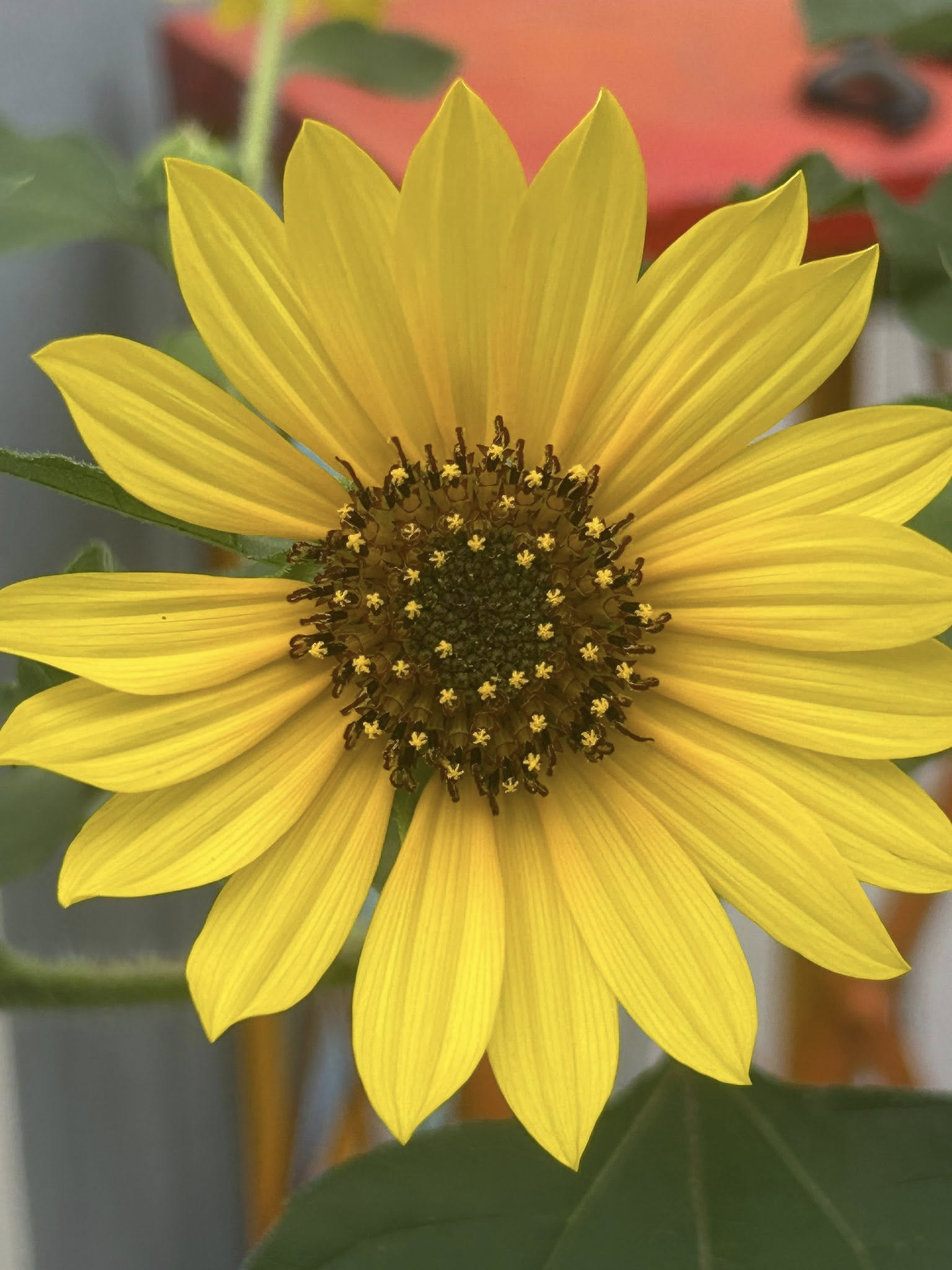
Above is a photograph of one of the many the sunflowers in my yard. Most of the flower heads are full of tiny packets of pollen.
At this time last year, bees were so thick in my yard that the sunflowers’ pollen packets were gathered by bees as quickly as the flowers could present them.
But not this year. In my yard this morning, I saw a total of two honeybees. No native bees. No butterflies.
Have you ever seen a bee walking around aimlessly or on the ground? That’s likely the result of exposure to Pyrethroid chemicals. I know that at least two of my nearby neighbors use services that fog their yards to control mosquitoes.
That means it’s time for my annual rant about mosquito-fogging services. The companies all downplay the effects of the chemicals they use as “safe for pets and people after the chemicals dry.”
The organic essential oils do little to nothing. It is the Pyrethroids that are essential to killing mosquitoes. These are not chemicals that target mosquitoes. They are 100% deadly to all invertebrates and many vertebrates. Here is what the pest services don’t tell you:
Pyrethroids are highly toxic to cats, butterflies, bees, rolly-pollies, snails, worms, (every invertebrate animal you can think of), lizards, frogs & toads, snakes, turtles and fish.
As for human exposure, you probably know to avoid breathing it; technicians who apply the fog wear respirators. The pesticide company will tell you to stay indoors for at least half an hour after application.
Let’s assume that is sufficient time for it to be safe to go in your yard. What about your neighbors and their pets who are outside? The garlicky/essential oil smell that wafts through your yard?
If you are smelling that, you are inhaling Pyrethroids (and the chemicals are also having an effect on your yard and its inhabitants).
If you have asthma, respiratory problems, or are immuno-compromised, you are especially vulnerable to Pyrethroids, which are readily absorbed through the lungs and attack the nervous system.
The chemical companies will tell you it’s generally safe for pets and children to go into treated areas after half an hour. This is extremely risky for cats: Pyrethroids are highly toxic to cats (consider how they groom themselves and other pets). Pyrethrin/Pyrethroid Poisoning in Cats | VCA Animal Hospitals. Also, half an hour may not be adequate for dogs to avoid exposure. Pyrethroids can take up to 48 hours to dry.
I have not found any scientific articles that discuss how dog behavior plays into exposure to Pyrethroids, but dogs sniff everything. It is one thing to walk on the treated lawn (low likelihood of toxicity) and another to actively inhale it.
Also, consider that pets eat grass and other plants in the yard (my dog loves horse herb). The National Pesticide Information Center says in the section titled Precautions for Pets: "Once the pesticides have dried, toxic residues can remain on the treated surfaces, so consider taking precautions to prevent your pet from licking, chewing, or eating any plants or other items treated with pesticides even after they have dried."
If you are pregnant or have children, you should know Pyrethroid exposure during pregnancy and early childhood have been shown to be correlated with higher rates of autism
Science Direct , cognitive problems/disabilities and ADHD National Library of Medicine
The upshot is that mosquito fogging services are not as harmless as they would like you to believe. The benefits of reducing the mosquito population in your yard by no means outweigh the consequences of using chemicals that have such a profound effect on every living thing in the immediate
area. ❦
Artist Clare Wuellner owns Blue Victory Gallery
Further reading: National Wildlife Fund,
 |
|
IT'S ABOUT THYME LEGACY PUBLICATIONS.
CONTACT EDITOR DARREL MAYERS |
|
|