 bringing nature, gardeners & native plants together May 15, 2026
|
|
NURSERY NOTES: Visit the Natural Gardener tomorrow (May 16) at 10 am to learn all about an earthy fungus that "turns ordinary corn into blue-black gourmet gold." It is known as Huitlacoche. (or, less poetically, Corn Smut) and Central Texas Mycology experts will teach you all about it. Free. TNG 🌿 Also tomorrow there's an irrigation workshop by Fruitful Commons (with help from Symbiosis TX). 9 - 11 a.m. Free. RSVP 🌿
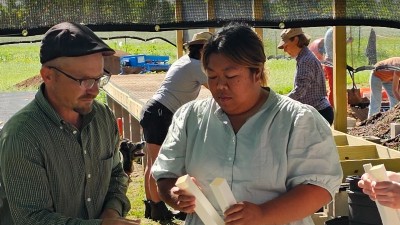 TreeFolks Nursery hosts a Volunteer Workday, May 27, TreeFolks Nursery hosts a Volunteer Workday, May 27, 9 - noon. You'll likely find yourself soil sifting and mixing, sowing and transplanting... among friendly fellow gardeners. under the inspiring eye of nursery manager Vit Kaspar (above) A fine way to spend a morning. TreeFolks 🌿
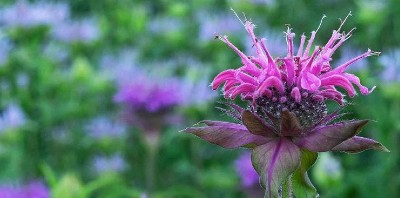
A DOZEN PLANTS TO WARD OFF MOSQUITOS: enter the world of lavender, rosemary, lemongrass, beebalm (above), basil and other pretty plants to discourage these unwelcome garden guests, writes Christine Yoo. Garden Design ❦
______________________________________________
PURSLANE IN THE MEXICAN KITCHEN: this plant has it all. It's a superfood loaded with vitamin E, it's tasty, and it grows like a weed. Alejandra Molino writes about the role of verdolagas (purslane) in her family's culture and household. Eater ❦
THE AUSTIN GARDEN relies on readers for support. Whether annual or monthly, all donations are welcome. At present 7 % of readers fund this newsletter. Many thanks in advance. PayPal link ❦
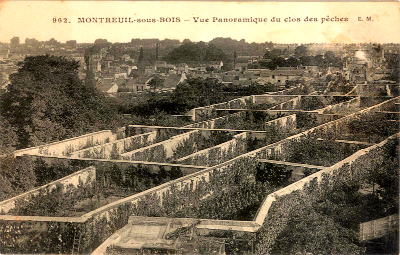 Since the 17th century in Montreuil, France peaches were trellised on walls to create a microclimate to boost production. They were called 'les murs à pêches.'
The Magic of Micro-climates
by Amanda Moon
According to the Garden Helper's Dictionary, a micro-climate can be thought of as 'variations of the climate within a given area, usually influenced by hills, hollows, structures or proximity to bodies of water.'
So what does this mean, and how can it affect gardening and landscape projects around your home?
It could mean that it's a lot colder (or warmer) where you live, compared with the next town, or the next street . . . or even just 10 feet away from your chosen planting spot.
Gardeners should embrace this information, not fear it. Once you begin to understand some of the intricacies of micro-climates, it will allow you to get away with 'daring' experiments with plants that normally would not survive in our climate.
For example, there were several citrus trees around town that survived into the teens during chilly January and February cold snaps with little damage. Some were planted facing south, up against a tall building which protected them from the north wind, allowing them to benefit from the heat retained in the building's exterior walls.
***Past tense now because since this was originally written they were taken out (along with many, many other plants and trees) by the “Snowpocolypse” in ’21. Sigh, but I digress…..
To help readers understand this fascinating subject, here are six micro-climate concepts.
_______________________
1. Urban Heat Islands: Buildings, roads and other concrete structures within cities absorb heat all day; they then release this warmth slowly at night, and raise the average night temperatures compared to the surrounding outer edges of the city. Notice how Camp Mabry’s low temps are always several degrees warmer than readings from the airport. When I lived in the city of Round Rock 'proper,' I could get away with more tropical plants at my house than my family who live south of Austin.
2. The Effect of Large Bodies of Water: If you live near a lake, river or other larger body of water you'll notice a higher moisture level and humidity in the air. On the plus side, this moderates temperatures of the surrounding area, but it also makes everything seem a little 'sticky.' The effects of this extra moisture are most pronounced in coastal areas and large lakes and can create its own weather, i.e. The Great Lakes region 'lake-effect' snow storms.
3. Cold air sinks: The higher you live on a hill, the warmer in general you will be relative to the valley beneath you. Even small hills can make a difference. One killing frost into the low 20’s saw agaves frozen solid at the bottom of my street; those of us at the top of the hill had little damage.
4. Compass Points: Different sides of your home (or even a privacy fence) can have very different temperatures in both the summer and winter. Place plants that need cooler temps year round on the east or north side of the house. Put plants in need of extra winter protection on the west or south side. This way they'll get as much heat in the winter as possible and protection from the drying north winds.
5. Exposure: Plants installed out in an exposed area will feel fluctuations in temperature more intensely than those set closer to a structure. For example, it's better to plant something with larger leaves that may suffer sunscald in the summer or be damaged by harsh winds in winter near an opposite facing structure. It is also easier to offer plants some protection from afternoon summer heat by keeping them closer to a north or east facing wall, fence or even a taller plant.
6. Reflective surfaces: Lighter colors, including concrete, painted surfaces and limestone, reflect more heat than darker ones. In the summer this heat bouncing back on to a plant could cook sensitive leaves on a 100 degree day leaving them brown on the edges with pale, washed out spots in the inner areas. Alternatively, these same places can be a life-saver for tropical heat loving plants that need extra winter warmth and protection.
Armed with this knowledge, you should hopefully be able to add greater diversity to the collection of plants in your landscape as you explore the peaks, valleys and protected areas around your home. ❦
 |
|
IT'S ABOUT THYME LEGACY PUBLICATIONS.
CONTACT EDITOR DARREL MAYERS |
|
|