Wow do we have a lot to fill you in on!
Before we turn to our exciting next project for the second half of 2019, let's first focus on the impact you've made in the first half of the year..
HAITI ALLIES DONATION
We simply take our hat off to you. With our incredible army of supporters, we continue to grow, and as a result our partners continue to be given the maximum amount of funding possible. We are so pleased to announce that our donation to Haiti Allies will be our biggest one yet - £28,000!!
What an unbelievable gift you are giving to our friends at Haiti Allies, who continue to make profound changes among some of the world's most vulnerable people by working diligently to break the cycles of dependency and enable the dignity of self-sufficiency.
LYT will be traveling to Haiti in 2 weeks, to spend time with our partner and see firsthand where your donation will be used - and reporting 'live' from the ground on our social media channels during our time there - so follow along on Facebook & Twitter from August 7th-15th if you would like to see exactly what you're helping to support. (We'll be reporting back in fuller detail upon our return with a blog about our time there.)
In the meantime - thank you. Each and every one of you has truly made an incredible difference and we genuinely, and humbly, thank you.
MEET: THE KUMARI PROJECT, NEPAL
We really love our newest partners - among many, many important areas of focus, one of their key areas of practice is empowerment. Instead of us prattling on about who they are, we thought we'd let them speak directly to you. This is an excerpt of a letter written by a key member of their team, explaining a bit more personally what the Kumari Project are all about.
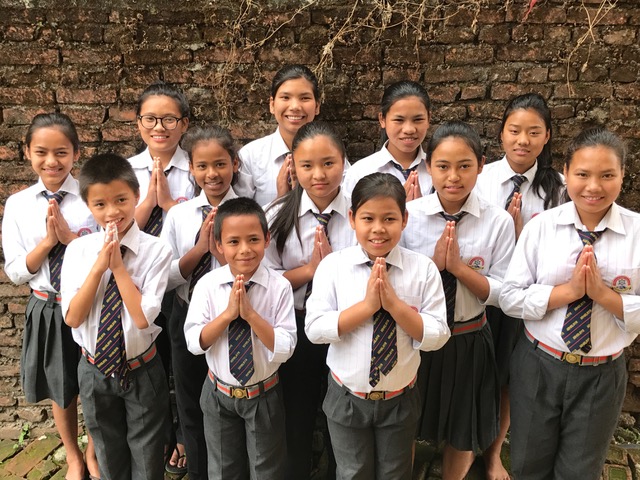
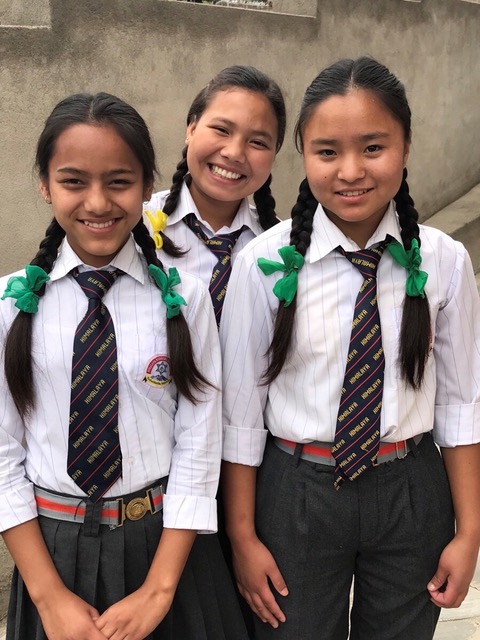
When The Kumari Project first incorporated in 2010, our mission was broad: to empower Nepalese orphans, especially girls. In 2014 we narrowed our focus to establish our Safe House, specifically for 10 young girls and two little brothers, all of whom were residing in exploitative, neglectful, unhealthy conditions in an institution that housed children with parents in prison.
Our goal in 2014 was to provide a loving, nurturing home environment with good nutrition, health care, trauma counseling, and an educational foundation that would prepare them for self-sufficiency. Our commitment to these 12 kids is that we will provide for them until they have completed the educational level of their choice and are launched into self-supporting jobs, essentially taking the place of parents they do not have.
In October we will have operated the Safe House for 5 years. Instead of ages 5-12, the kids are now ages 10–16! It has been a joyful, difficult, inspiring, scary, daunting, highly educational experience for all! We have continually defined and redefined “empowerment” based on their age and development. That meant allowing/coaching them to begin to have opinions and make choices about how they dress and what they eat. It meant encouraging them to say what they like, and don’t like. It meant re-educating the housemothers, endlessly, about counter-acting the stigma that orphans struggle with in Nepal. (“That’s good enough for orphans” is a prevalent cultural norm.) It meant getting them used to being asked what they think and how they feel.
Empowerment for these kids has been about basic self-worth. Coming from a sub-standard government school attached to their previous institution, we are happy to report that they are now well integrated into the private school they attend in their new neighborhood. They are no longer ashamed of their status. In fact, the “Kumari kids” have a reputation for being the best students (and the best dancers!) in the school. They are proud of themselves, and each other. One of our little boys is consistently first in his class. The other (age 10) feels comfortable enough to be consistently mischievous. He wants to be a rapper, a football (soccer) player, a singer, or a helicopter pilot. The girls’ ambitions now range from artist to doctor to bank manager to teacher. They still dream of new kurtas for the Dashain festival…but now they want to pick their own fabric and style.
Our eldest girl, 16, just completed Class 10, which in Nepal is the point at which you make some decisions about your future. Because she doesn’t thrive in an academic setting, she is more interested in a vocational “diploma course” which could enable her to find a good job in 2-3 years. Our job now is to use our local contacts to develop part time jobs, mentors and internships for her to build skills and explore her aptitudes. Empowerment for her is feeling that she can invest in herself now in order to help struggling family members in the future. She still wants a smart phone more than anything, and we still have to nag her to be on time to her English class. But she can now see in herself the potential to be skilled and independent. She is scared, and excited, and knows she has our support. She knows someone is proud of her.
To read in further detail about the work of the Kumari Project, why there are so many orphans in Nepal & more, visit our project page here.
DID YOU NOTICE OUR NEW WEBSITE?
If any of you have visited letyourself.net in the last 24 hours - or just clicked on the link above to check out the Kumari Project - you might have noticed something looks different..
We have (finally!) just launched our BRAND NEW website! We owe a massive debt of thanks to Martyn's son Stefan, and his fantastic fiancé Chloe, as both were principle designers and creators of this brilliant new space.
We hope you're have a look around, and while we worked hard to work out any kinks and accidental black holes, please do pop us a note if you notice anything amiss.
AND FINALLY, CHEKA SANA - OUR CDD RECIPIENT
In our continued growth use of Community Development Donations (CDDs), we are so thrilled to announce a donation of £10,000 to Cheka Sana. LYT was introduced to the incredible work of Cheka Sana by our partners at Amos Trust, who we had only previously worked with in Palestine.
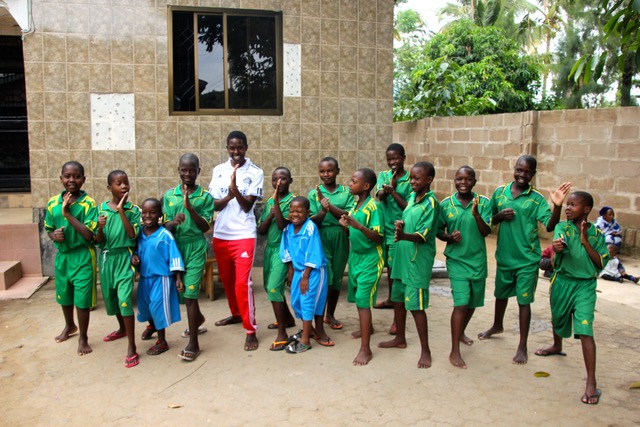
Established in 2014, Cheka Sana is a young, female-headed team that runs outreach work to children and young people living on the streets of Mwanza, Tanzania, offers transitional accommodation to girls and boys under 14, carries out intensive family therapy and reunification work, supporting children back home and into education. With 14-24 year olds, Cheka Sana enables young people on the streets (especially young women including those involved in commercial sex work) to form association groups to support each other and find alternative incomes. Its trauma-informed approach, rooted in young people’s strengths and capacities, is highly effective with children and young people. They run a day centre for children still living on the streets, as well as street football programmes, regular outreach, and self-defence training to build the assertiveness and self-esteem of girls and young women particularly those involved in sex work.
Support from Let Yourself Trust will be split across three main areas to reach over 200 girls and young women in a year:
1. A conference focusing and building on ‘On Her Terms’ methodologies: In October 2020, a training event (in Mwanza, Tanzania) which will bring together women workers (alongside young women with experience of living on the streets) from Kenya, Burundi and South Africa to share and learn new methodologies, strengthen practice and develop skills in advocacy and leadership. The girls and young women involved in Cheka Sana will be involved in designing and delivering this training and Cheka Sana’s solutions focussed approach will be more widely adopted by street child NGO’s in Tanzania and Amos Trust’s wider On Her Terms network transforming the opportunities for girls on the streets, young mothers & commercial sex workers.
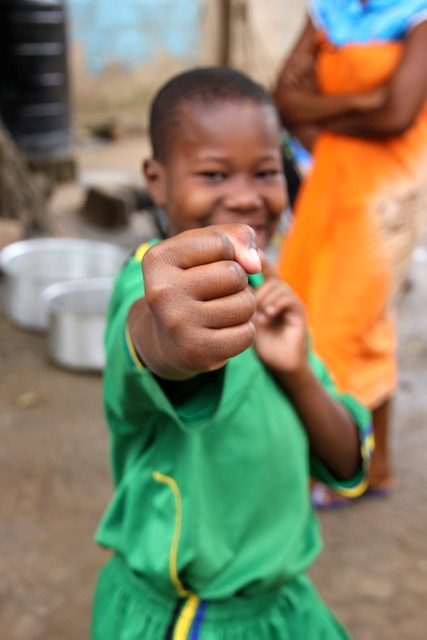
2. Self defence is used by Cheka Sana to counter a culture where girls are taught it is disrespectful to say ‘No’ causing girls to experience high levels of sexual and violent abuse by older men. In self-defence training, the girls shout ‘Hapana’ (No in Swahili) loudly while practising a self-defence move. Girls at Cheka Sana report that girls feel safer and more able to stand up for themselves as a result of this training.
In Tanzania, the Youth Team Social workers and self-defence trainers will be responsible for delivering and strengthening their continued work with the association groups, self defence training, building leadership skills in the young women they work with & delivering training to local, national and international stakeholders and NGO’s.
Yoga and meditation: The nature of girls lives on the streets girls is chaotic and the use of yoga and meditation in Tanzania has been highly effective as a method to create a sense of calm with young women.
Each sport has wrap around social worker led sessions to
- identify teamwork, discipline, self-control and communication skills
- raise awareness of girls’ rights and how they can realise them,
- promote safeguarding, address alcohol/ substance misuse and educate about Sexual health and reproductive rights.
3. Investing in the Youth Team (14 – 25 young women)
The work with the teenage girls/ young women uses an ‘Association group’ model pioneered in South America. This relies on creating a tight local group of young women and then equipping them to support one another and to ultimately develop their own micro businesses.
To form the Association group, girls and young women are initially contacted through outreach work in parts of the city with the highest levels of commercial sex work. The team then go through a tight group work process of forming, stabilising and empowering, which includes the use of self-defence training to build confidence and assertiveness. The girls then choose potential areas of income generation for example sewing, cooking, mechanics or retail that they wish to be trained in and learn how to establish small-scale business initiatives and are then provided with micro loans to achieve these. During this process the social worker focuses on the young women’s self confidence and for young mothers - parenting skills, encouraging effective bonding between mother and her child and on understanding what is a healthy safe environment for their children.
The social worker will measure their progress against outcomes. These will be collated through Cheka Sana’s established M&E systems and reported back to Amos Trust, who will disseminate the project progress to Let Yourself Trust.
This is exactly the type of project we hope to come across through our connections with our 'main' 6 month projects, and we're so excited by our continued work in East Africa, alongside our partners in albinism awareness in Uganda, and our partners improving the self-reliance of disabled persons and their families in Kenya.
ONE LAST THING..
We'll be announcing our next volunteer trip NEXT MONTH.. as always, it will be first come, first serve, so if you're interested in joining Martyn & LYT in 2020 on an incredible opportunity to come see things for yourself - make sure you keep an eye out for our announcement newsletter and/or on our social media channels!