 Est. 2008; bringing nature & gardeners together Nov. 7, 2025
|
|
NURSERY NOTES: Central Texas Plant Rescuers are featured guests at Monday evening's meeting of the Austin Organic Gardeners. Native seed and plant collection from construction sites is their focus. They dig them up, and move them to safety in pollinator gardens, sanctuaries and back yards. Presented by Ali Baucom: 7 p.m. Zilker Botanical Garden. Austin Organic Gardeners 🌿
Visit the Natural Gardener tomorrow (Sat) at 10 a.m. to learn all about Texas native trees from expert Bailey Hoops. 20% discount on all trees through Sunday. TNG
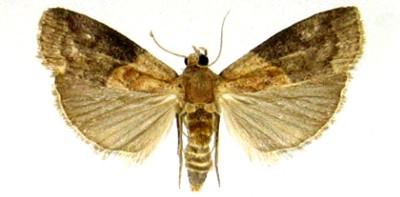
NATURAL PREDATORS: bats are replacing chemicals at a pecan orchard near Lockhart, reports KUT's Michael Marks. The 266-acre Swift River Pecans is working with scientists to study how bats are eating moths (such as the pecan nut casebearer in photo above), to help create an entirely organic orchard. KUT ❦
______________________________________________
WEEDS & NO-TILL GARDENING: in a regenerative scenario, how do you take care of all of the weeds? Cover crops, mulch and "tarping an area" are some of the suggestions from Briana Yablonski. Modern Farmer ❦

DIA DE LOS MUERTOS: in San Antonio Botanical Garden artist Regina Moya and horticulturist Layni Langham created an elegant skeleton figure called Naná Echéri. Her vibrant skirt is made from 120 live plants. The Garden posted a video about the creation of this marvel. (Thanks to reader Jeanne Defriese for sharing this.) Instagram ❦
 Fall asters and batchelor's buttons mix nicely in a Hyde Park garden
DIY BOTANICAL NAPKIN RINGS: for Thanksgiving, writer Erin Boyle likes to bundle "napkins and flatware into neat little packages" secured with a length of jute twine, "embellished with a tiny bouquet of greens." Learn how it's done at Gardenista ❦
THE AUSTIN GARDEN relies on readers for support. Whether annual or monthly, all donations are welcome. At present 7 % of readers fund this newsletter. Many thanks in advance. PayPal link ❦
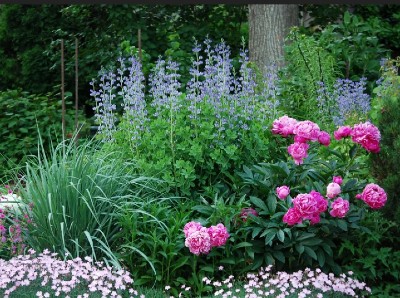
Be smart: Plant in the Fall
by William Glenn
My love for plants is the thread that ties together my hobby of gardening with my professional life as a horticulturist.
Whether I am at a friend’s house for an evening soiree, or plugging away trying to care for thousands of plants, I’m approached with the same question: 'what is wrong with this plant?'
Inevitably a phone emerges from a back pocket with a few pictures of a plant looking pathetic and miserable.
With a houseplant, I usually say the same thing every time. 'Too little light, too much water.' Studies have shown that people predictably overwater a plant that they have paid for, holds sentimental value, or is showing signs of stress (even stress from overwatering). Use the old pointer finger to see if dryness is really the problem.
For today, though, I want to broach problems for plants in our landscape. If you take anything at all from this column, please let it be this:
PLANT LANDSCAPE PLANTS IN THE FALL
You can avoid most of the other problems you’re facing simply by following that simple suggestion.
The 'gardening gene' kicks in for most of us between St. Valentine’s Day and St. Patrick’s Day.
When this gene switches on, we’re compelled to go buy a bunch of trees, shrubs and vines that look dazzling, perched on their tables at the store, plump and satisfied, gloriously adorned with flowers.
Although we can plant them and care for them, we’ve got a couple of strikes against us right off the bat. Most impor-tantly, the roots will have almost no time to develop, and are totally reliant on you for water, rather than seeking it for themselves.
When summer’s heat descends upon the shaky new transplant, a quick demise is almost inevitable.
Try to plant a tree or shrub this fall around Halloween. There has been tons of news lately about how tree planting is our best defense against climate change (if you need extra motivation to get out there and plant!).
Give it water to get up and running, a thick layer of mulch, and if you’re really serious about its success, add a mycorrhizal supplement to the root zone (don’t worry, the garden centers know what this is).
As your new plant sits over winter, it will be developing a complex network of roots every day, each one capable of offering up more and more water and nutrients, enabling the plant to better endure the rigors of summer. ❦
William Glenn owns Greensleeves Nursery: 601 West Pecan Street, Pflugerville 78660, He specializes in Texas natives.
 |
|
IT'S ABOUT THYME LEGACY PUBLICATIONS.
CONTACT EDITOR DARREL MAYERS |
|
|